

Specialization in New York Employment Law
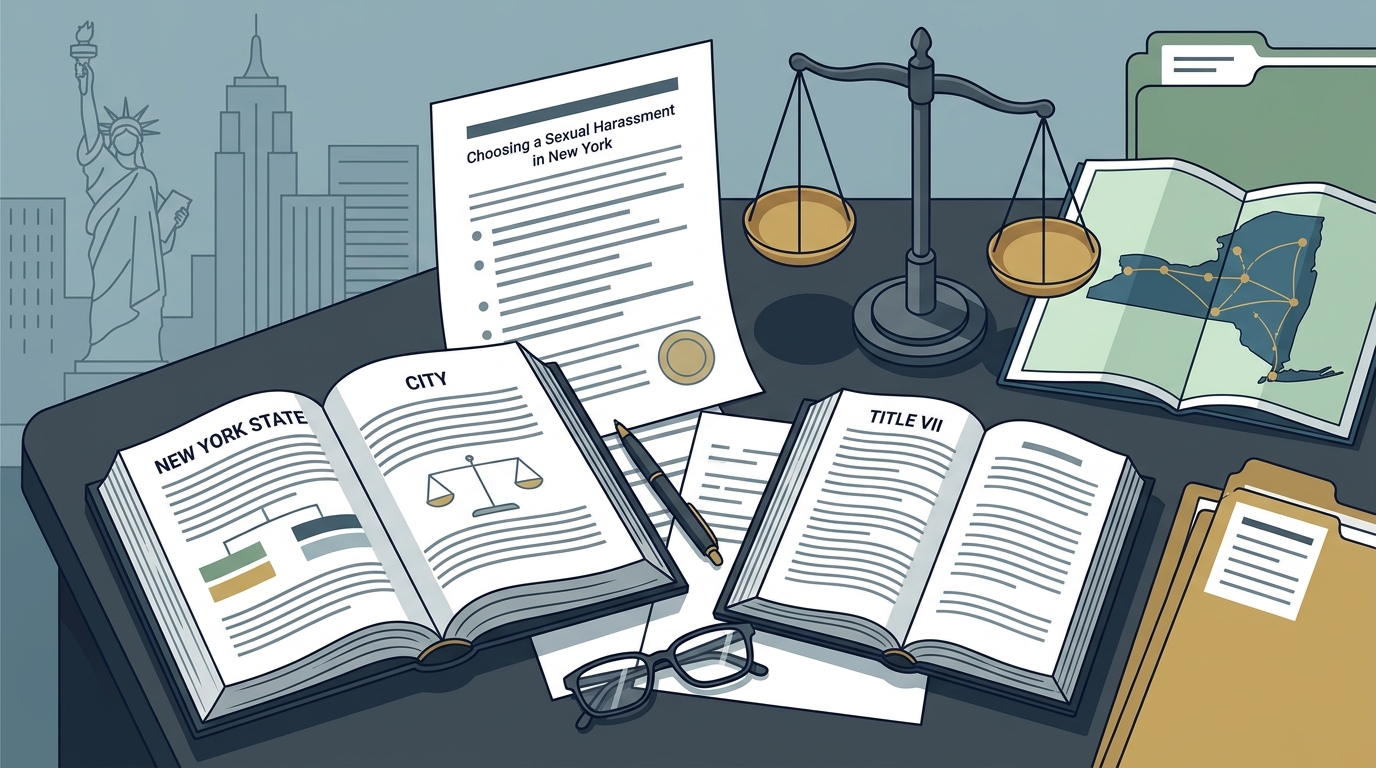
General civil litigators often lack the nuanced understanding required for employment claims. Employment law specialization is a specific focus area where attorneys dedicate their practice to workplace rights and violations. In New York, this specialization is critical because state and city laws often provide broader protections than federal statutes. For instance, the New York State Human Rights Law prohibits harassment based on a wider range of protected characteristics than Title VII of the federal Civil Rights Act. A lawyer who only practices federal law may miss opportunities to leverage these stronger state provisions. You should verify that the firm actively handles cases under the New York State Division of Human Rights and the New York City Commission on Human Rights, as these agencies have specific procedural rules and training requirements that differ from the federal EEOC. For additional details, review the Just a moment.
Understanding of Local Jurisdictional Nuances
New York City operates under a unique legal framework that can significantly impact the outcome of a harassment claim. The City’s Human Rights Law is interpreted more broadly than state or federal laws, often covering conduct that might not be actionable elsewhere. For example, the City requires annual sexual harassment prevention training for all employees, a mandate that reflects the local regulatory environment. A competent local attorney will be familiar with these specific obligations and how they influence liability. They should be able to explain how the jurisdiction of your workplace, whether in Manhattan, Brooklyn, or the suburbs, affects the applicable laws. This local expertise ensures that your case is framed correctly from the outset, maximizing the potential for a favorable resolution. according to sexual harassment training For additional details, review the Just a moment.
Experience with Sensitive and Trauma-Informed Cases
Sexual harassment cases are deeply personal and often involve significant emotional distress. Trauma-informed legal practice is an approach where attorneys are trained to recognize and respond to the psychological impact of trauma on clients. This is not just a marketing term; it reflects a firm’s commitment to creating a safe and supportive environment for clients who have experienced abuse. When interviewing a lawyer, ask about their experience in handling cases involving power dynamics, such as harassment by a supervisor or executive. A firm that understands these dynamics will be better equipped to guide you through the process without causing further distress. They should demonstrate empathy and patience, recognizing that the legal process can be re-traumatizing if not handled with care. according to Sexual Harassment Prevention
Communication Style and Fee Transparency
Clear communication is essential in any legal relationship, but it is particularly important in harassment cases where clients may feel vulnerable. Fee transparency is a practice where attorneys clearly explain their billing methods, including whether they work on a contingency basis or charge hourly rates. Most employment lawyers in New York work on a contingency fee basis, meaning they only get paid if you win your case. However, you should still ask about any upfront costs, such as filing fees or expert witness costs. A reputable firm will provide a written fee agreement that outlines all potential expenses. They should also be responsive to your calls and emails, keeping you informed about the status of your case. Avoid firms that are slow to respond or who use legal jargon that you do not understand.
Track Record and Professional Reputation
While past performance does not guarantee future results, a lawyer’s track record can provide valuable insights into their capabilities. Look for firms that have a history of successful settlements or verdicts in sexual harassment cases. You can often find this information on the firm’s website or through professional directories. Additionally, consider the firm’s reputation within the legal community. Are they known for ethical practices and professional conduct? A firm with a strong reputation is more likely to be taken seriously by opposing counsel, which can lead to more favorable settlement offers. You should also check for any disciplinary actions or complaints filed against the attorney. This information is typically available through the state bar association’s website. A clean record is a good indicator of a reliable and ethical legal professional.
Key Takeaways
- Specialization in New York employment law is critical due to the broader protections offered by state and city laws.
- Local jurisdictional nuances, such as the New York City Human Rights Law, can significantly impact case outcomes.
- Trauma-informed practice ensures that the legal process is handled with sensitivity and care.
- Fee transparency and clear communication are essential for building a trusting attorney-client relationship.
- A strong track record and professional reputation indicate a reliable and effective legal representative.
- Verify the firm’s experience with specific agencies like the NYSDHR and NYCCHR.
- Ask about the attorney’s approach to power dynamics and sensitive workplace issues.
Frequently Asked Questions
What is the difference between state and federal sexual harassment laws in New York?
New York State and City laws often provide broader protections than federal Title VII. For example, the New York City Human Rights Law covers a wider range of protected characteristics and may apply to smaller employers. A local attorney will know how to leverage these differences to your advantage.
How much does a sexual harassment lawyer cost in New York?
Most employment lawyers in New York work on a contingency fee basis, meaning they only get paid if you win your case. However, you should ask about any upfront costs, such as filing fees or expert witness costs. A reputable firm will provide a written fee agreement that outlines all potential expenses.
How long does a sexual harassment case take to resolve?
The timeline for a sexual harassment case can vary widely. Some cases are resolved through settlement within a few months, while others may take years if they go to trial. The complexity of the case, the willingness of the parties to negotiate, and the court’s schedule all play a role in determining the timeline.
Do I need to file a complaint with the EEOC before suing?
In many cases, you must file a charge with the EEOC or the New York State Division of Human Rights before you can file a lawsuit. This is known as the exhaustion of administrative remedies. A lawyer will guide you through this process and ensure that you meet all necessary deadlines.
What should I bring to my initial consultation with a lawyer?
Bring any documents related to your case, such as emails, text messages, performance reviews, and any written complaints you have filed. Also, prepare a timeline of events to help the lawyer understand the sequence of the harassment. The more information you provide, the better the lawyer can assess your case.
Can I still work at my job while my case is pending?
It is possible to continue working while your case is pending, but it may be difficult if the harassment is ongoing. You may be able to request a transfer or other accommodations. A lawyer can advise you on your options and help you navigate any retaliation you may face.
Next Steps
Choosing the right lawyer is a critical step in protecting your rights and seeking justice. By focusing on specialization, local expertise, and a trauma-informed approach, you can find a legal representative who will advocate effectively on your behalf. Contact Phillips & Associates to schedule a consultation and discuss your case with a team that understands the complexities of New York employment law.